When you track your experiences in Clue, you’re creating real-world health data.
02
Data is de-identified
Your data is stripped of direct identifiers and handled according to strict privacy and security standards. You can read more about how Clue handles your data in our Privacy Policy.
03
Researchers use this data for real-world impact
This becomes part of a unique dataset used by top research institutions and clinicians to provide the scientific evidence base for women’s health, explore real-world impact, understand diversity, and break taboos.
Our criteria for partnerships
We collaborate with carefully chosen research partners on studies that meet high scientific, ethical, and data protection standards.
Every study we support must:
1
Answer clear scientific questions relevant to menstrual and reproductive health.
2
Meet high standards of scientific quality and ethical review.
3
Adhere to strict GDPR-compliant data protection standards
Meet the women powering Clue’s science
Behind every data point, research study, and evidence-based insight.
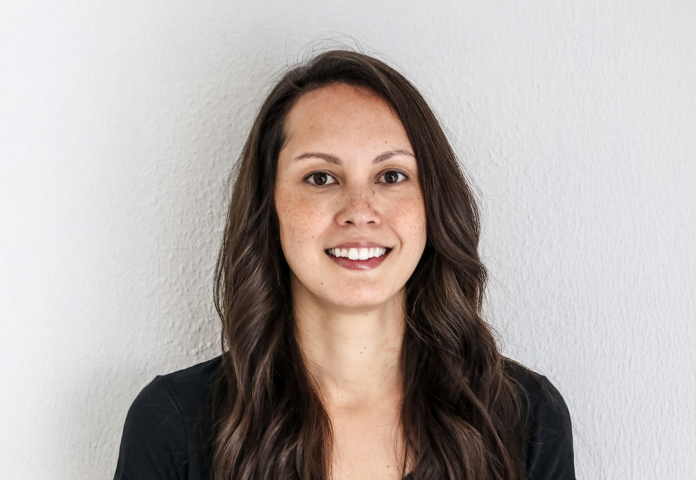
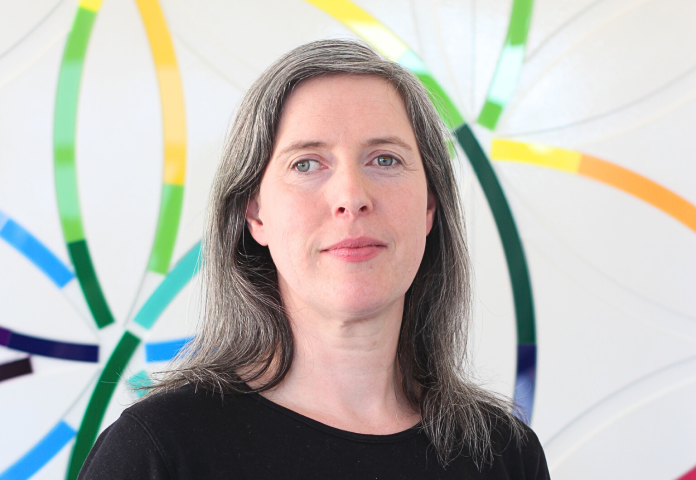
Trained in molecular biology, Amanda began her career in ovarian cancer research before moving into digital health. As fractional Chief Science Officer at Clue, she leads scientific research and global collaborations leveraging real-world menstrual and reproductive health data to accelerate discovery and help close the women’s health knowledge gap.
Kirsten has a PhD in cognitive neuroscience. After analyzing large-scale datasets in academia, she now analyzes Clue’s user data for insights, works on AI features that give users menstrual health-related insights, and supports important research collaborations.
With a PhD in reproductive biology, Cornelia leads Clue’s science team to ensure all features and content are grounded in science. Her team conducts research to advance women’s health, and creates educational content that helps people make informed health decisions.
With a background as a medical doctor, Hajni has worked in various roles business and scientific roles across industry, in startups and in pharmaceuticals. Hajni bridges the gap between clinical research and real-world evidence. She leads Clue’s strategic partnerships with life science institutions and researchers, leveraging Clue’s unique dataset to accelerate breakthroughs in female health and close the gender data gap on a global scale.
Board-certified OB-GYN and specialty-certified Pediatric & Adolescent Gynecologist. Known as 'The Period Doctor' on social media, she sets the record straight on female health topics through no-nonsense educational content and myth busting.
Eve is a fertility nurse by training and a reproductive health advisor at Clue. She works on product features supporting menstrual and reproductive health, drawing on clinical experience and evidence-based science.
University of Montpellier (CNRS), Oregon Health & Science University, Johns Hopkins University
Alexandra Alvergne, PhD (CNRS)
Alison Edelman MD, MPH (OHSU)
Mostafa Borahey MD, PhD, MBA (JHU)
Summary: While there has been anecdotal evidence from people experiencing menstrual cycle changes (such as longer cycles or heavier periods) after COVID-19 infection or vaccination, there have been few studies on the topic. This series of studies paired survey data on COVID-19 infection and vaccination dates with menstrual cycle data from Clue to evaluate any potential effects of each. These are amongst the few investigations of the pandemic and menstrual cycles that use real-time tracked data instead of recalled experiences, strengthening the quality of evidence. Across studies, findings showed a small, temporary increase in menstrual cycle length following a COVID-19 infection or vaccination. In both cases, users’ cycle length reverted to their previous average after one cycle.
Senseable City Lab at Massachusetts Institute of Technology (MIT) and the College of Architecture and Planning at the University of Colorado Denver.
Priyanka deSouza, PhD
Fabio Duarte, PhD
Summary: Analyzing over 2.2 million cycles from 92,000 Clue users in 230 cities across the U.S., Brazil, and Mexico, this study found that higher long-term exposure to a certain type of air pollutant (PM2.5) was associated with increased cycle irregularity, particularly longer cycles. Researchers combined Clue cycle data with local air quality data across 230 cities in the U.S., Brazil, and Mexico. Higher exposure to PM2.5 air pollution was linked to longer and more irregular cycles, suggesting that environmental factors may play a role in menstrual health and highlighting a new dimension of air pollution’s impact on human health.
Summary: This study examined how digestive symptoms vary across the menstrual cycle and relate to mood, finding a strong link between the digestive and mood symptoms, especially among people with PMS. Analyzed symptom tracking data from more than 33,000 menstrual cycles, researchers found that digestive symptoms were more common before menstruation and more frequently reported by people with PMS. The findings also showed a strong association between gastrointestinal and mood symptoms across the cycle, suggesting a gut–brain connection in menstrual health.
Tilburg University, University of Göttingen, and the Leibniz Institute for Educational Trajectories
Paula C. Bange, MSc
Laura J. Botzet, PhD
Tanja M. Gerlach, PhD
Summary: Many people assume that sexual attraction is a central part of the human experience—shaping how we date, form partnerships, and fall in love. Yet people experience attraction in many different ways. Researchers partnered with Clue to better understand how asexual women think about relationships and their ideal partners.
Summary: What people want in a romantic partner has long fascinated researchers. To explore this question, surveys were sent via Clue and myOne (a condom company), collecting responses from over 64,000 people from 180 countries. From these responses, the research team aims to better understand what people are looking for in potential long- and short-term partners and how these preferences change with factors such as age.
Summary: Political orientation is related to many aspects of our lives. Here, we investigate how political orientation relates to how women from different parts of the world picture their ideal partner. Using data from Clue’s Ideal Partner Survey, we analyzed relationships between political orientation and long-term partner preferences.
Summary: A controlled clinical study tested how the hormone estradiol shapes the brain’s response to threat and stress. The results suggest hormonal changes across the menstrual cycle may influence PTSD vulnerability. Post-traumatic stress disorder (PTSD) is about twice as common in women as in men, but the biological reasons remain unclear. In this clinical study, researchers experimentally tested how changes in estradiol across the menstrual cycle influence the brain’s response to threat and the formation of fear-related memories. The findings show that estradiol shapes how the brain processes stress, offering new insight into women’s vulnerability to PTSD and informing more personalized approaches to mental health research and care.
Clue, in partnership with the Bill & Melinda Gates Foundation
Amanda Shea, PhD
Virginia Vitzthum, PhD
Summary: This project compared Clue users’ tracked bleeding with their responses to an online questionnaire and found that for people who reported having a heavy period, actual flow heaviness was not always the most important factor in characterizing their period. Some people who said they had heavy periods did not track any days of heavy bleeding. Period 'heaviness' was associated with not only increased period length and number of days with heavy flow, but also with increased pain and other physical symptoms such as fatigue and digestive issues. Those who reported heavy periods also reported a greater disruption of daily activities, such as the ability to participate in sexual activity, social and leisure activities, and school or work. This supports the recent shift away from blood volume measurement to a focus on quality of life when evaluating heavy menstrual bleeding. It also highlights the importance of understanding individual experiences and goals when providing healthcare.
Summary: Using machine learning on millions of cycles, this study found menstrual cycles influence mood and behavior more strongly than daily, weekly, or seasonal cycles. Stanford researchers analyzed over 240 million observations from Clue users in 109 countries. Menstrual cycles consistently had a larger impact on mood, behavior, and vital signs than other biological or environmental cycles, highlighting the importance of including menstrual health in broader health research.
Summary: This research explored cycle variability and symptom patterns, and developed AI models to improve period prediction by accounting for potential missed tracking. Researchers examined how cycle-to-cycle variability relates to symptoms such as headaches and breast tenderness. In parallel, another project explored methods to differentiate potentially true long cycles from gaps in tracking, developing models to estimate tracking adherence. Together, these approaches aim to improve prediction accuracy and data quality for both users and researchers.
Summary: This study found that undiagnosed STIs were associated with increased pain and low mood before menstruation, suggesting symptoms may signal underlying conditions. By combining survey data on STI diagnoses with tracked cycle data, researchers found that STIs doubled the likelihood of reporting negative premenstrual symptoms prior to diagnosis. The findings suggest changes in menstrual symptoms could help identify undetected infections earlier.
How does sexual desire change across the menstrual cycle and with contraceptive use?
Max Planck Institute for Human Development
Ruben Lennartz PhD
Summary: This research examines how sexual desire changes across the menstrual cycle and under different contraceptive methods, helping to clarify potential side effects and cycle-related patterns.
Despite widespread interest, evidence on the effect of the menstrual cycle and hormonal contraceptives on sexual desire is limited. Using Clue app data, this project explores how desire fluctuates across the cycle and how different contraceptive methods may influence it. Findings aim to inform understanding of cycle-related changes and provide insight into contraceptive side effects.
Summary: This research explores how adolescent menstrual cycles vary after menarche, and how factors like stress and physical activity influence cycle characteristics. Researchers analyzed survey and Clue tracking data from users aged 13–18. Findings show early cycles tend to be shorter and more painful or variable depending on age at menarche, while stress and exercise influence regularity and bleeding patterns. This work helps improve early detection and treatment of abnormal cycles and supports long-term health outcomes.
Summary: This study assesses whether seasonal birth trends may be influenced by patterns in sexual activity or fertility. Researchers combined population-level birth statistics with aggregated Clue user data on sexual activity from Northern and Southern Hemisphere users. The study explores whether seasonal patterns in sexual activity or fertility help explain observed seasonality in births, providing insight for fertility planning and maternal-child health.
Summary: This research evaluates how app-tracked cycle and sexual activity data can predict pregnancy likelihood. Using data from over 65,000 Clue users, researchers developed predictive models showing unprotected sex during the fertile window most strongly determines pregnancy probability. Results demonstrate apps’ potential to provide useful fertility predictions.
Summary: This study examines how menstrual bleeding influences attitudes and behaviors around condom use worldwide. Drawing on over 110,000 responses from Clue users worldwide, researchers examined patterns of condom use during menstruation. The study explored how commonly condoms are used during menses, the motivations behind their use—such as protection against sexually transmitted infections, pregnancy prevention, or concerns about menstrual blood—and how these behaviors vary by age and by the level of gender inequality in users’ countries of residence. The analysis also considered how age and broader social context shape the reasons people give for both using and not using condoms during menstruation.
Clue, in partnership with Bill & Melinda Gates Foundation
Amanda Shea, PhD
Virginia Vitzthum, PhD
Summary: This research explores how preferences for menstrual bleeding influence birth control choices across cultures. Clue users in the USA, India, and South Africa were surveyed and grouped based on whether they were using hormonal birth control (HBC) vs non-hormonal methods. In all three countries, non-hormonal method users were more likely to want to maintain their natural menstrual cycles and have regular periods as compared to HBC users, who tended to prefer less frequent bleeding. US-based participants had the biggest differences in bleeding perspectives between groups, with non-hormonal method users tending to have more positive associations with their periods, such as good health, fertility, and keeping in touch with their bodies. Conversely, HBC users were more likely to view periods as an inconvenient bodily function with limited personal significance.
Summary: This study investigated how people use mobile technology for sexual health, partner connection, and education globally. Using a survey sent via the Clue app, this project gathered 130,885 responses from 191 countries to assess how women around the world interact with mobile technology for sex-related purposes (such as to find sexual partners, learn about sex and improve their sexual relationships, and track their own sexual health), and how gender inequality in the country of residence may influence the use of this technology. Staying connected with a partner when apart was the primary use of sex-tech, and self-education was particularly important in countries with low gender equality. These findings may inform large-scale targeted studies, interventions, and sex education to improve the lives of people with cycles around the world.
Clue, in partnership with Bill & Melinda Gates Foundation
Amanda Shea, PhD
Virginia J. Vitzthum, PhD
Summary: We need more effective ways to quickly and inexpensively collect health data—could apps like Clue be a solution? Surveys were distributed via the Clue app alongside more conventional survey methods and compared to benchmark health data in three countries (India, South Africa, and the US). The study found that app-based surveys can quickly and cost-effectively reach large samples. Participants recruited through the app reported greater comfort discussing menstruation, suggesting that app-based approaches may be particularly well suited for collecting candid responses on sensitive or socially taboo health topics.
What symptom patterns are experienced during perimenopause?
University of California, Berkeley
Kim Harley, PhD
Lindsay Parham, PhD
This study examines the wide range of perimenopause symptoms, from hot flashes to sleep disturbances, to better understand how they vary across individuals and over time. Using Clue cycle data, surveys, and Oura ring biometric data, this research investigates perimenopause symptom patterns and their variation. Results aim to inform clinicians and provide better resources, tools, and guidance for those navigating the transition to menopause.
Can self-tracked menstrual patterns be used to detect endometriosis?
Massachusetts Institute of Technology (MIT)
Aparna Balagopalan
Cassandra Parent
Marzyeh Ghassemi, PhD
Machine learning applied to tracked menstrual data may help detect endometriosis earlier by identifying characteristic symptom patterns. Endometriosis is often misdiagnosed due to overlapping symptoms. Researchers are analyzing Clue-tracked cycle and symptom data with machine learning, comparing data from users with and without endometriosis diagnoses. They aim to determine whether symptom patterns alone can help identify endometriosis and reduce the time to diagnosis.
Do focus, attention, and motivation change across the menstrual cycle among those with and without ADHD?
Queen Mary University of London
Jessica Agnew-Blais PhD
This research explores how menstrual cycles affect focus, motivation, and mental functioning in people with and without ADHD. Cycle tracking data from Clue users with and without ADHD were analyzed to identify changes in attention, focus, and motivation across the menstrual cycle. Results aim to inform clinical practice and support people managing ADHD alongside cycle-related symptoms.
Can menstrual cycle tracking help improve the diagnostic criteria for PMDD?
Cardiff University
Chloe Apsey
Arianna Di Florio, PhD
This study is mapping symptom patterns in PMDD in an effort to refine diagnostic criteria and support more effective screening and treatment. Using Clue tracking data, researchers are examining daily symptom patterns and co-existing health conditions in people with and without PMDD. By mapping how symptoms and comorbidities appear across the menstrual cycle, the research aims to deepen understanding of the condition, inform ongoing discussions around PMDD diagnostic criteria, and support more effective screening and treatment.
How does the menstrual cycle impact mood and energy in people with or without health conditions?
Washington University in St. Louis
Hillary Anger Elfenbein
This research explores cycle-related changes in mood and energy, comparing individuals with and without health conditions like depression and anxiety.By analyzing Clue-tracked cycle experiences, researchers aim to understand how subjective functioning varies across the cycle and how health conditions may amplify these changes. The findings may help guide more personalized care and improve support for overall wellbeing.
Is there an association between menstrual patterns and breast cancer risk?
Mailman School of Public Health, Columbia University
Mary Beth Terry, PhD
Lauren Houghton, PhD
Jasmine McDonald, PhD
This study investigates links between menstrual cycle characteristics and breast cancer risk, aiming to identify early warning patterns.Participants from the Breast Cancer Family Registry are tracking their cycles via Clue. Researchers are analyzing whether specific cycle patterns or symptoms may help support early detection of breast cancer, contributing to more timely intervention and better health outcomes.
Are there recurring patterns to menstrual pain, and how are they influenced by reproductive health conditions?
University of Oxford
Oiwi Parker Jones
Luisa Kurth
This research examines recurring period pain patterns and how underlying reproductive conditions influence symptom severity and experience.Using Clue-tracked cycle data, researchers are applying machine learning methods to construct data-driven pain profiles based on patterns in pain intensity, cycle characteristics, and contextual factors such as sleep and physical activity. These profiles will be used to explore associations with underlying conditions with the goal of informing improved detection and management of period-related health issues.
How you can help
Historically, women and people with periods have been underrepresented in research. Your involvement with Clue can help change that.
Here’s how you can get involved:
Contribute your tracked data
Give consent in your Clue app’s privacy settings to share your de-identified data, helping researchers answer important questions about menstrual and reproductive health.
Take part in Clue surveys
Occasionally, you may be invited to take part in a survey. Surveys can be anonymous or linked to your de-identified data. You’ll always see an introduction explaining what data will be used.
Participate in a clinical study
Researchers can use Clue to collect cycle data for studies, such as investigating how exercise impacts menstrual bleeding. Keep an eye on invitations to clinical research.
Join studies promoted by Clue
We help researchers recruit participants from diverse backgrounds. You might see studies promoted in-app or on our social channels that you can take part in.
If you’re a researcher interested in collaborating with Clue, we’d love to hear from you.